
Troubleshooting
Posting too much online can expose you to serious risks beyond just awkward moments. These 10 real dangers of oversharing on social media reveal how your posts could compromise your safety, finances, and reputation—even years later.
Identity Theft Through Location Tagging
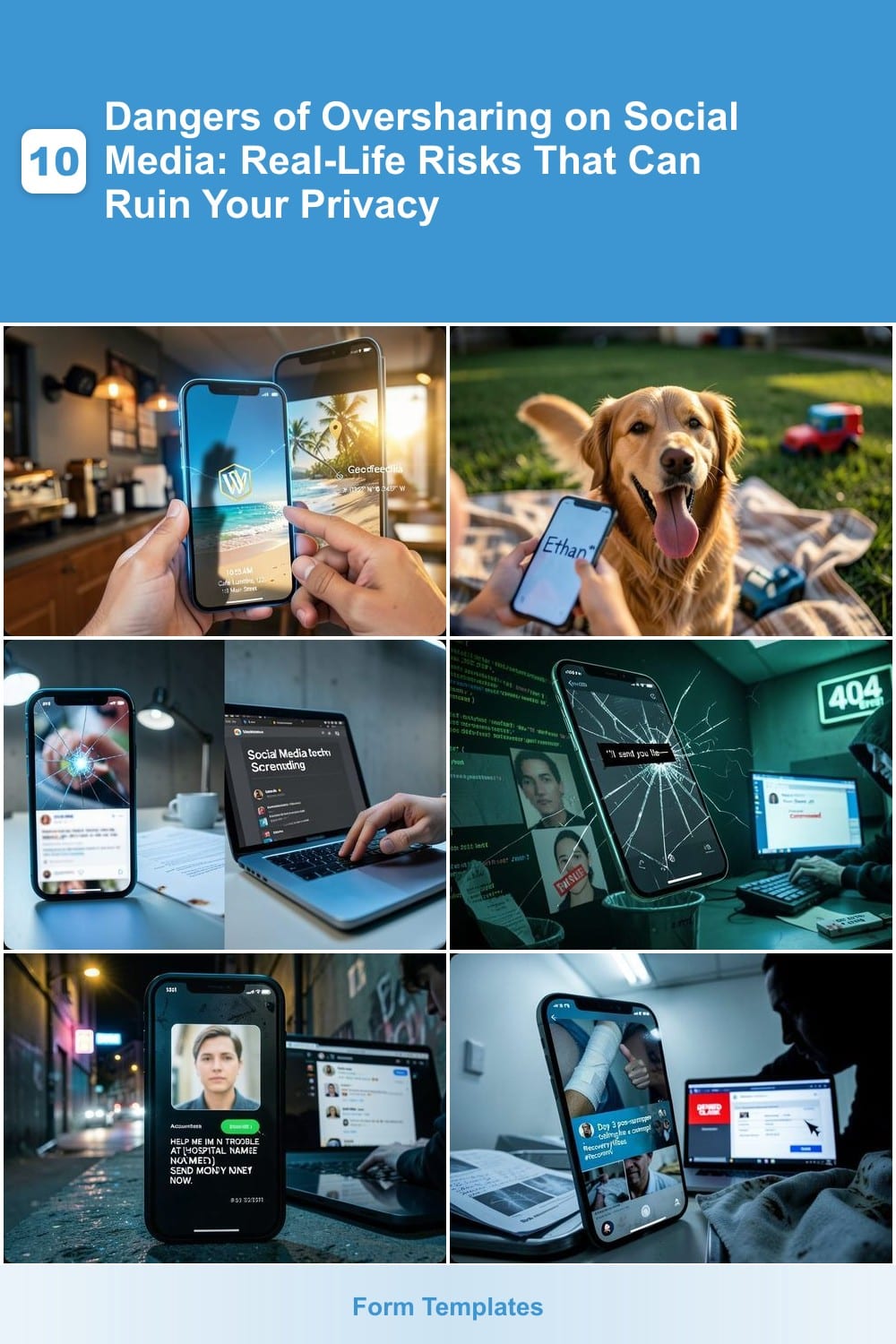
That "quick check-in" at your favorite café or beach vacation post might seem harmless, but real-time location tagging turns your social media into a burglar’s treasure map. Criminals use tools like Geofeedia or X-Mode to track public check-ins, revealing when your home is empty or where you’ll be for weeks.
Platforms like Instagram, Snapchat, and Facebook automatically share location data unless you disable it—even "private" accounts can leak details through third-party apps or metadata. One study found that 40% of burglars scout targets using social media, with vacation posts increasing home theft risk by 300%. A single tagged photo of your empty house could cost you thousands in damages.
This risk isn’t just theoretical: In 2022, a Florida homeowner returned from vacation to find their house ransacked after posting a check-in from the airport. If you can’t resist sharing your whereabouts, at least turn off location services for social apps and avoid tagging your home’s exact address. ⚡
Phishing Scams Using Personal Details
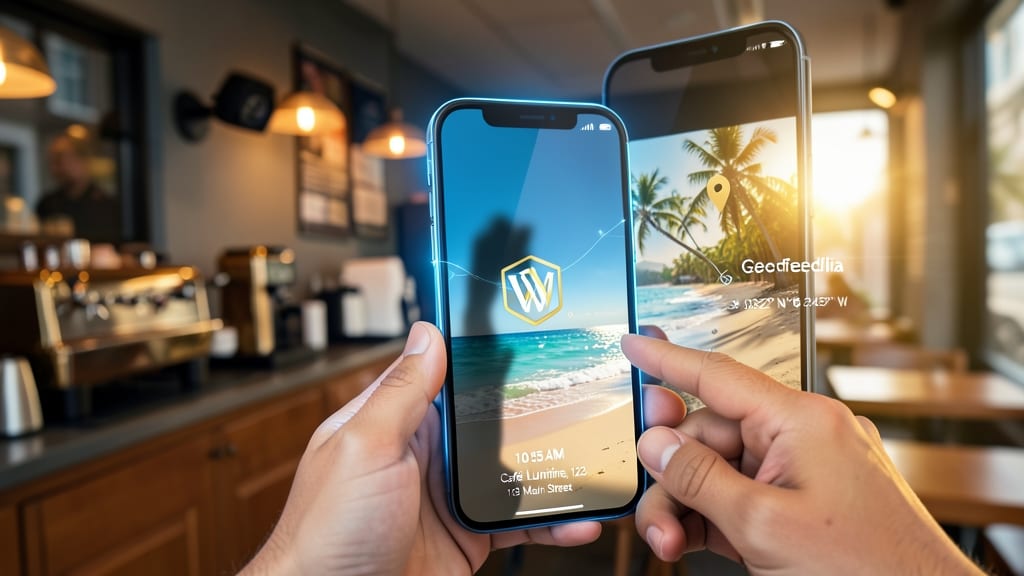
That cute photo of your golden retriever with your kid’s name in the caption? Criminals use those details to craft hyper-personalized phishing emails that bypass generic spam filters. By combining your posts about pets, kids’ names, and favorite brands with public data (like birthdays or addresses), scammers create messages that seem to come from trusted sources—like your bank or a friend’s account.
These emails often include specific details like your pet’s name or your child’s school to manipulate you into clicking malicious links. For example, a scammer might send an email claiming your "Amazon Prime membership is about to expire"—but the link leads to a fake login page designed to steal your credentials. Even seemingly harmless posts about your favorite coffee shop or vacation spots can be weaponized to trick you into revealing sensitive information.
Small business owners, parents, and frequent travelers are especially vulnerable because their posts often contain high-value personal or financial details. Always verify unexpected messages, even if they reference your pet’s name or a recent purchase. 💡
Job Loss from Controversial Posts
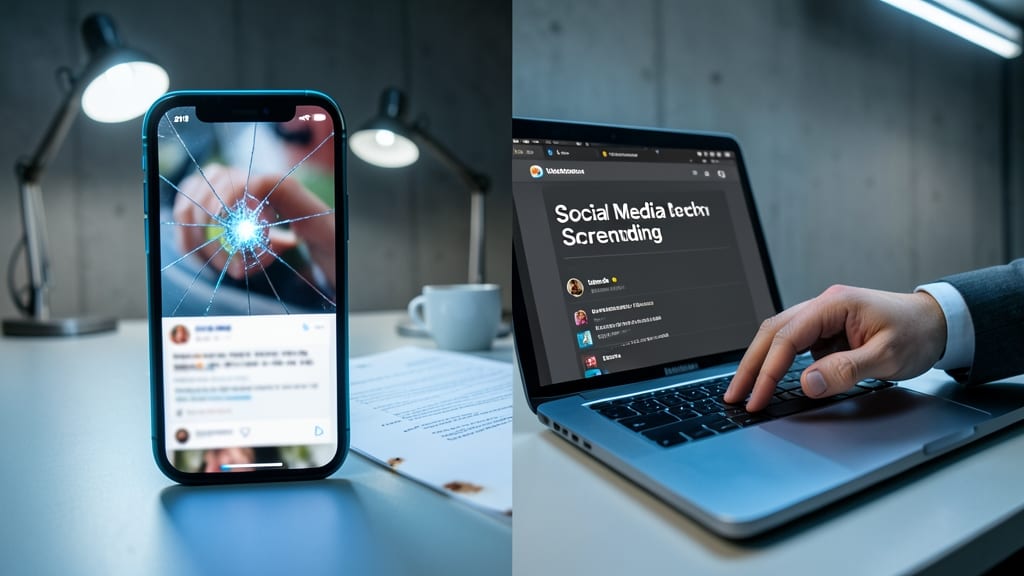
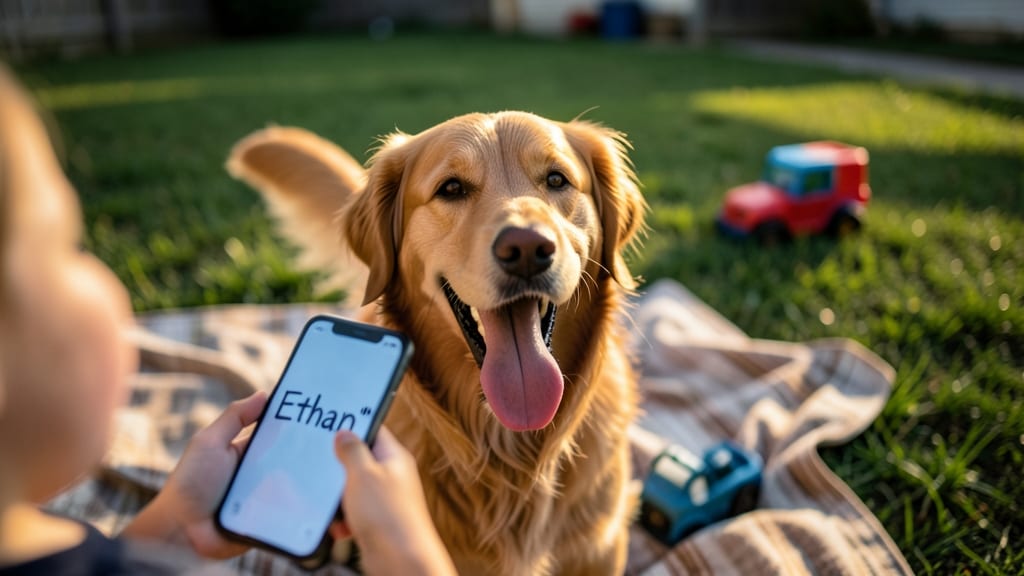
Your private social media posts aren’t as private as you think—especially when recruiters and hiring managers are scouring for red flags. A single controversial post, even from years ago, can resurface during background checks and derail job opportunities.
Many companies use social media screening tools like Social Intelligence or HireRight to scan candidates’ digital footprints. A political rant, offensive meme, or even unprofessional photos (like party pics with alcohol) can trigger automatic disqualification—sometimes before an interview. Even "private" accounts aren’t safe, as LinkedIn’s "Open to Work" feature and Google searches often expose hidden content.
Freelancers, remote workers, and job seekers in competitive fields should audit their profiles regularly. A quick search for your name could reveal more than you expect. 💻
Blackmail and Sextortion Risks
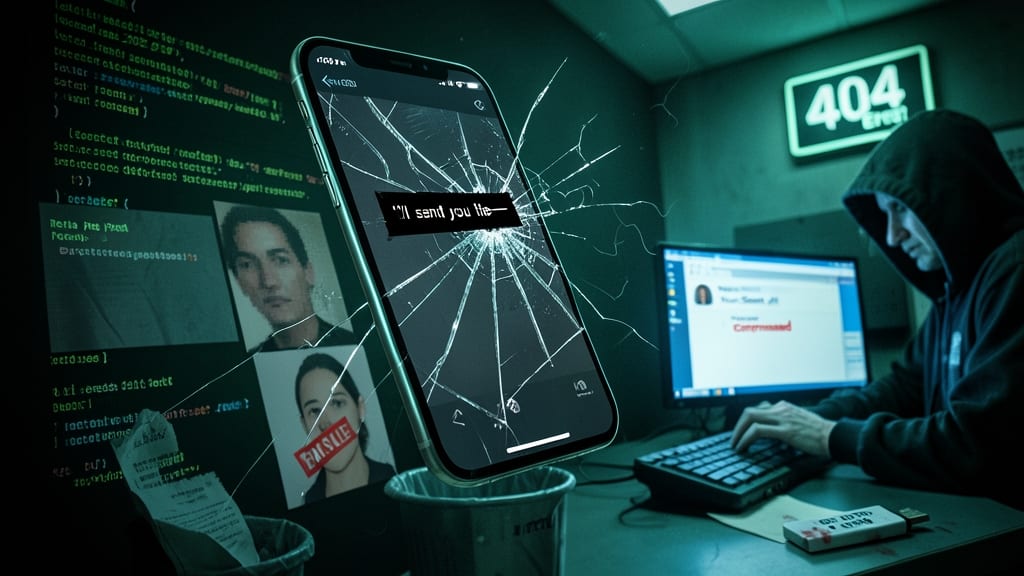
One deleted message or photo can haunt you for years—especially when scammers weaponize it for blackmail or sextortion. Unlike other risks, this threat doesn’t fade with time; hacked accounts or leaked content can resurface in data breaches, revenge porn sites, or dark web forums, giving criminals leverage to demand cash payments or expose private details publicly.
The stakes are higher than ever: the FBI reported a 1,500% increase in sextortion cases targeting teens and young adults in 2023 alone. Scammers often exploit compromised emails or passwords (from other breaches) to send threats, then pressure victims into silence by threatening to share content with family, friends, or employers. Even "private" messages sent via direct apps like Snapchat or Telegram can be saved and redistributed.
This risk isn’t just for teens—adults sharing intimate content (even in trusted relationships) are equally vulnerable. The best defense? Enable two-factor authentication, avoid sending irreversible media, and assume nothing is truly private online. 💻
Social Engineering Attacks on Friends
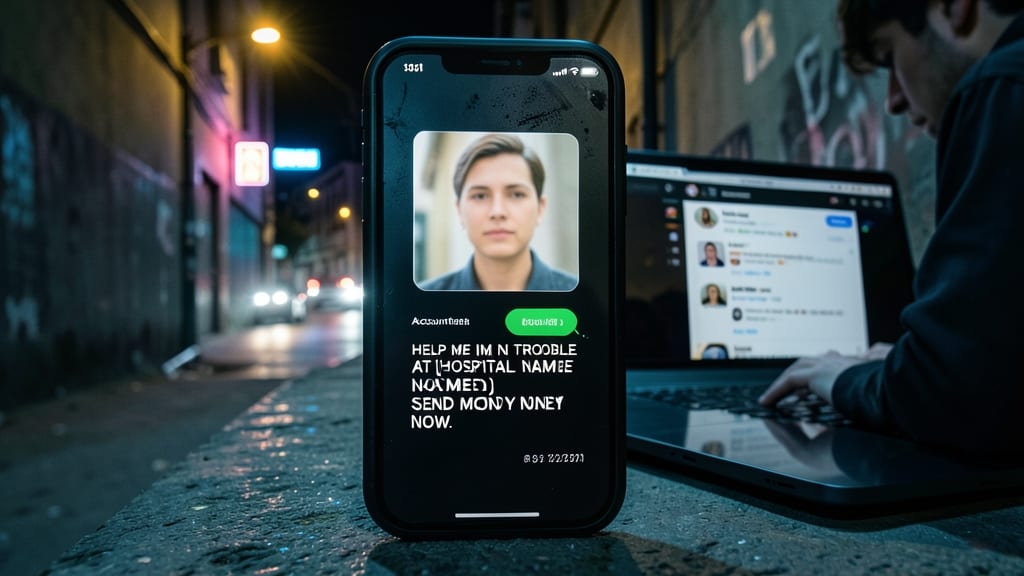
Imagine receiving a frantic message from a friend asking for urgent help—except it’s not your friend at all. Criminals exploit stolen profile photos to create fake accounts, then impersonate you to manipulate your real contacts into sending money, sharing sensitive documents, or even revealing login credentials.
These attacks rely on social proof—your contacts trust the profile because it looks like you. Scammers might claim to be stranded abroad, need medical help, or offer "too good to be true" investment opportunities. A single compromised photo from your social media profile is all they need to start the deception, often targeting friends who wouldn’t question a request from "you."
This tactic preys on trust, making it especially dangerous for small business owners, parents, or anyone with close-knit networks. Always verify requests through a separate channel before acting—especially if the tone feels off. 💡
Insurance Fraud from Health Posts
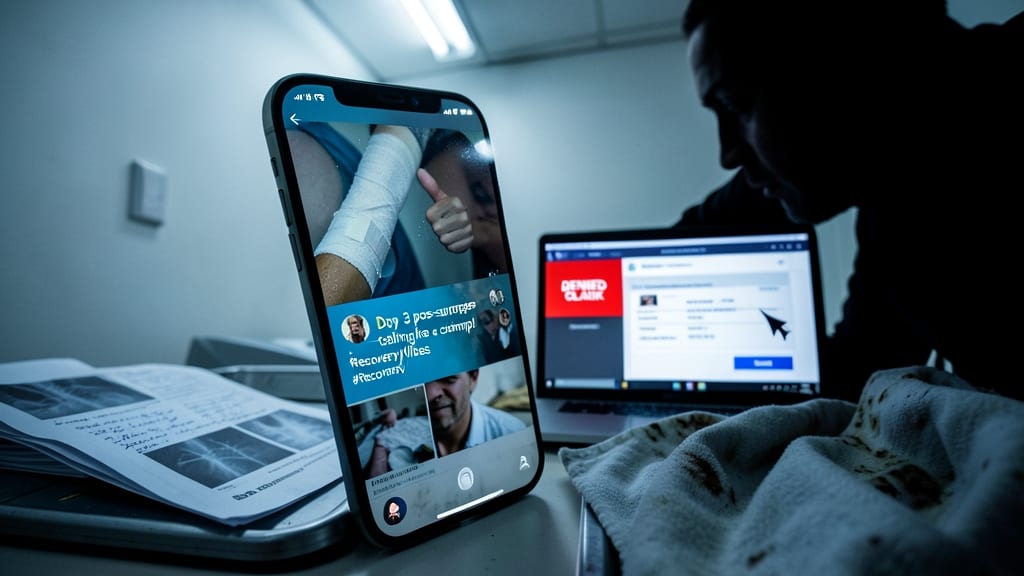
That "quick recovery update" you posted after surgery might just cost you thousands—or worse. Insurance companies and fraudsters actively scour social media for health-related posts to deny claims or steal your medical identity, turning a simple status into a financial nightmare.
Even a seemingly harmless post like "Finally back from rehab!" or "Still recovering from my knee surgery" can trigger automated fraud detection systems that flag inconsistencies between your claim and public timeline. Worse, criminals use stolen medical data to file fake claims under your name, leaving you liable for the bills. The Federal Trade Commission (FTC) reports a 40% spike in medical identity theft cases tied to oversharing on platforms like Facebook and Instagram.
If you’ve ever shared health updates, take 5 minutes to audit your old posts—especially before filing a claim. Adjust privacy settings to limit who sees these details, and avoid posting real-time health updates entirely. Your wallet (and privacy) will thank you. ✨
Stalking and Harassment Escalation
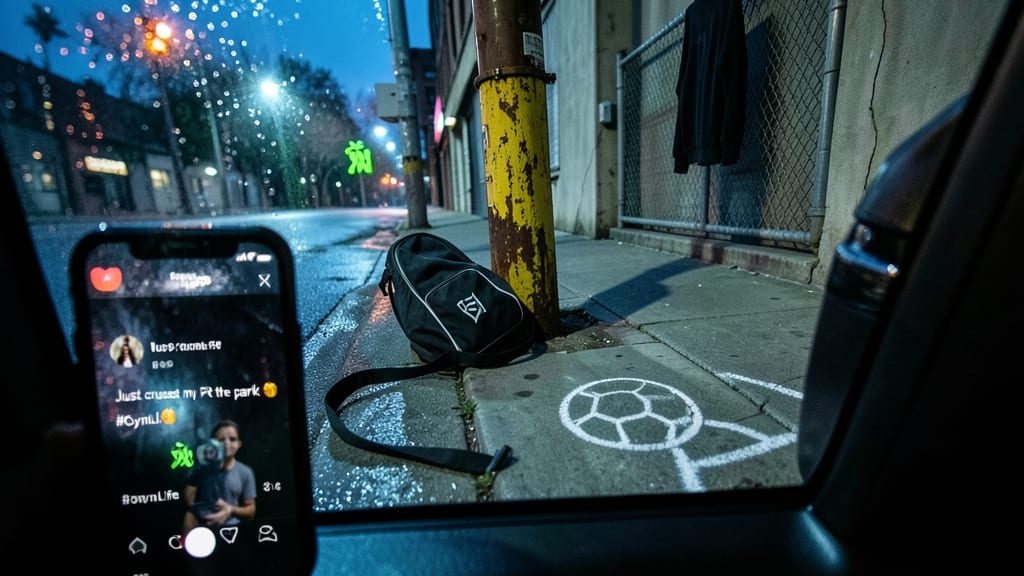
That "harmless" post about your daily gym route or your kid’s soccer practice schedule might seem innocent—but it’s a goldmine for stalkers and harassers. Predators use public posts to map routines, identify weak spots in security, and even stage "accidental" encounters offline.
Even seemingly vague details like favorite coffee shops, regular park visits, or school drop-off times can be pieced together to create a real-world tracking profile. One study found that 72% of stalking cases involved offenders who used social media to gather intel before approaching victims. Adjusting privacy settings isn’t enough—geotags, event check-ins, and even casual mentions of locations can expose you.
Parents of school-age kids and fitness enthusiasts should be especially cautious—these groups often share the most predictable routines. A simple habit post could turn your home into a targeted location. 💡
Algorithm Manipulation by Ads
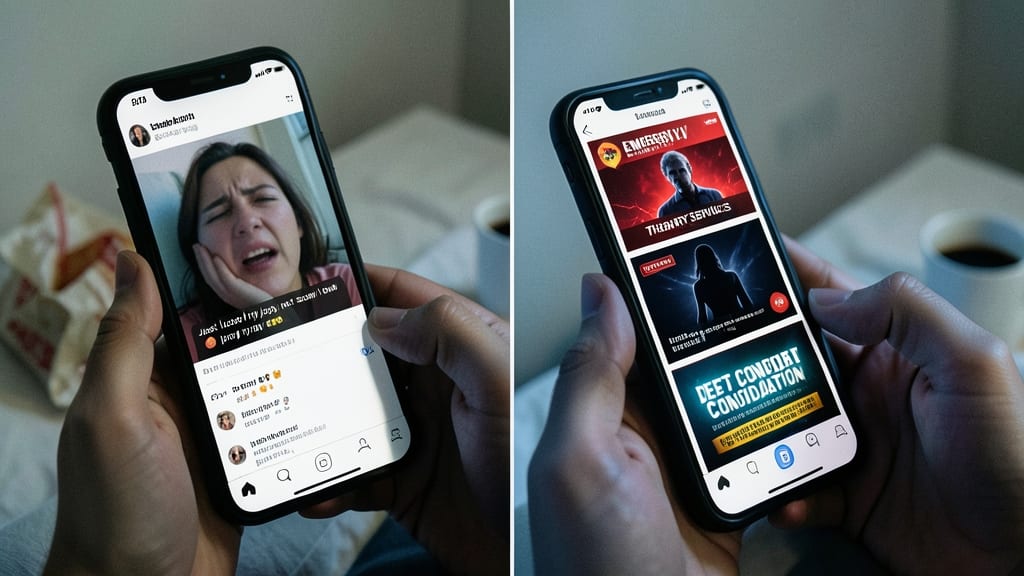
Ever noticed how ads seem to follow you around after posting about a tough time? That’s not a coincidence—it’s algorithm manipulation in action. Social media platforms and data brokers use your overshared struggles to craft hyper-targeted ads that exploit your emotional state, often pushing predatory services like debt relief scams or questionable health products.
Companies like Facebook and Google track your posts, likes, and even private messages to build detailed profiles. These profiles are then sold to third-party advertisers, who use AI-driven targeting to serve ads tailored to your vulnerabilities. For example, if you post about financial stress, expect ads for "quick cash" loans with sky-high interest rates. The more personal you get, the more invasive and manipulative the ads become.
This risk isn’t just annoying—it can lead to financial scams or even exposure to harmful services. If you’re struggling with mental health, debt, or other sensitive topics, think twice before posting. Your privacy settings might not be enough to protect you from these creepy, data-driven tactics. ✨
Family Safety Compromised

That birthday party photo of your child with their favorite toy might seem harmless, but it’s a goldmine for predators. A single post about your kid’s school name, birthday date, or even their pet’s name can be scraped by criminals to craft convincing impersonations or track your family’s movements.
Platforms like Facebook and Instagram often default to public visibility, even for "private" accounts, leaving your family exposed to data brokers who sell this info to offenders. Worse, once shared, these details can resurface in dark web forums or be used in targeted scams—like fake "lost pet" calls or school-related emergencies.
Parents of young kids or pet owners should treat these details like passwords: never share them publicly. Even a single post can create a digital footprint that follows your child for years. 💻
Legal Consequences from Illegal Content
That viral meme or joke about a crime might seem harmless, but copyrighted content, threats, or even "what-if" scenarios can land you in legal hot water. Platforms like Facebook and Instagram actively monitor posts, and law enforcement tracks online activity—especially in restricted locations like schools or government buildings.
Sharing copyrighted material (movies, music, or software) without permission can trigger automated takedown notices or lawsuits from companies like Disney or Warner Bros. Meanwhile, jokes about crimes—even satire—have led to arrests under laws like cyberstalking or harassment statutes. One wrong post could mean fines, lawsuits, or even criminal charges, with no guarantee of anonymity.
Content creators, influencers, and casual users alike should double-check licenses and avoid posting in regulated spaces. When in doubt, assume your post could be permanently archived—and act accordingly. 💻