
Tip & Trick
Mastering keyboard shortcuts can transform your typing speed and efficiency. These 10 often-overlooked symbols starting with 'A'—from accents to arrows—are hidden gems that power users rely on daily to streamline workflows and add professional flair to documents.
Accented Letters Using Alt Codes
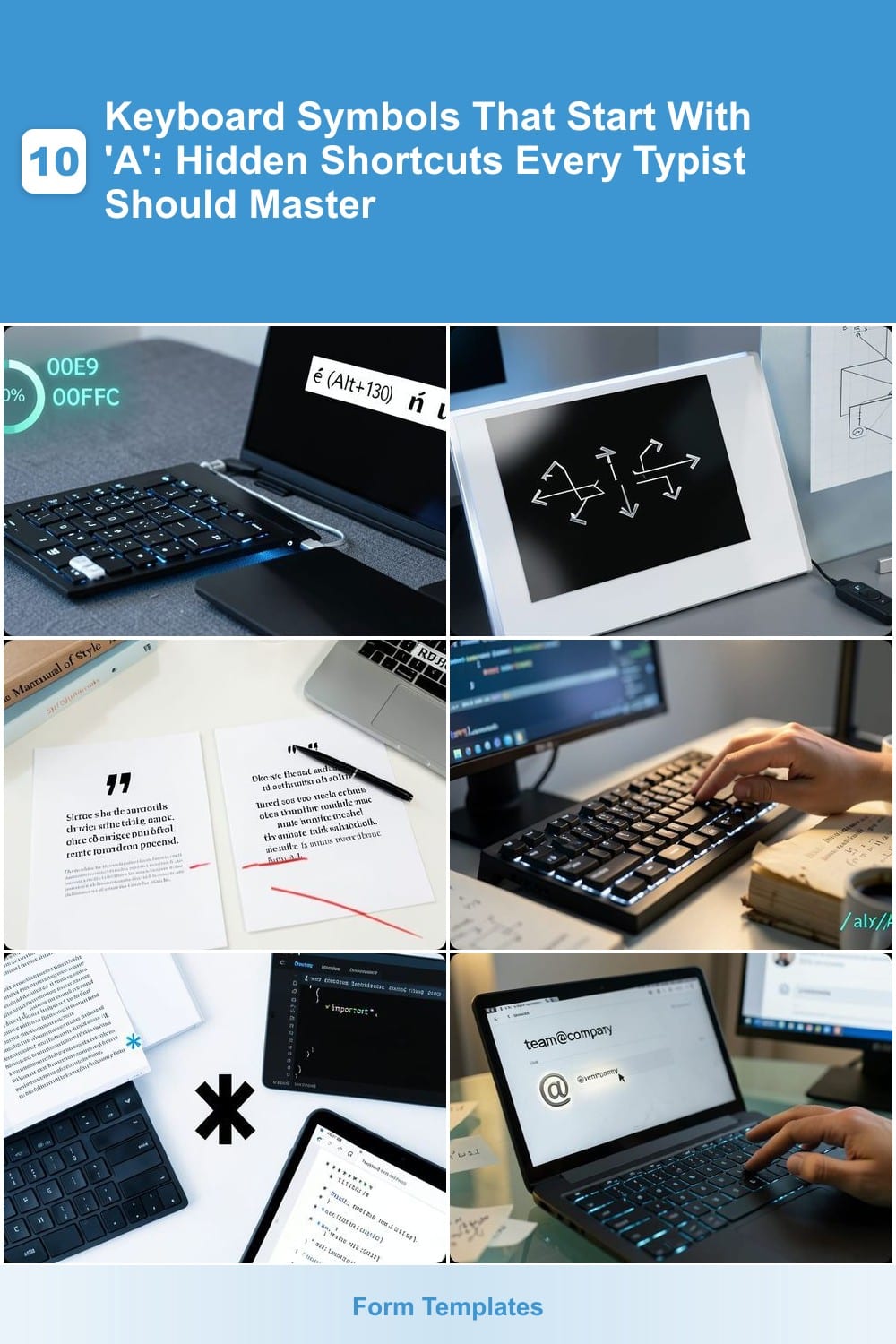
Need to type é, ñ, or ü without switching to a foreign keyboard layout? Windows Alt codes let you insert 150+ accented letters instantly—no language packs required. Simply hold Alt, type the code (e.g., Alt+130 for é), then release.
This method works for Spanish, French, German, and more, covering everything from á (Alt+160) to ø (Alt+248). It’s a lifesaver for multilingual documents, coding comments, or even social media posts where special characters are needed. The codes are consistent across Windows versions, making them a zero-config solution for global text.
Perfect for students, translators, and developers working with non-English languages. No app installs—just your keyboard and a quick reference list. ✨
Arrow Symbols for Flowcharts and Diagrams

Tired of basic arrows ruining the polish of your presentations? Arrow symbols like →, ←, ↑, ↓, ⇒, ⇐, and ⇑ bring precision to flowcharts, org charts, and diagrams in tools like PowerPoint or Visio.
These Unicode symbols (Unicode range U+2190–U+21FF) offer directional clarity—think double-headed arrows (↔) for bidirectional processes or curved arrows (↻) for iterative workflows. Copy-paste them directly into documents, or use Ctrl+Shift+U (Windows/Linux) or Option+Shift+U (Mac) to input by Unicode name. Pro tip: Pair them with SmartArt in PowerPoint for dynamic, scalable diagrams.
Designers and project managers will love how these symbols elevate professionalism in wireframes, process maps, and technical docs. No more pixelated arrow images—just crisp, scalable typography. ✨
Angled Quotation Marks for Professional Text
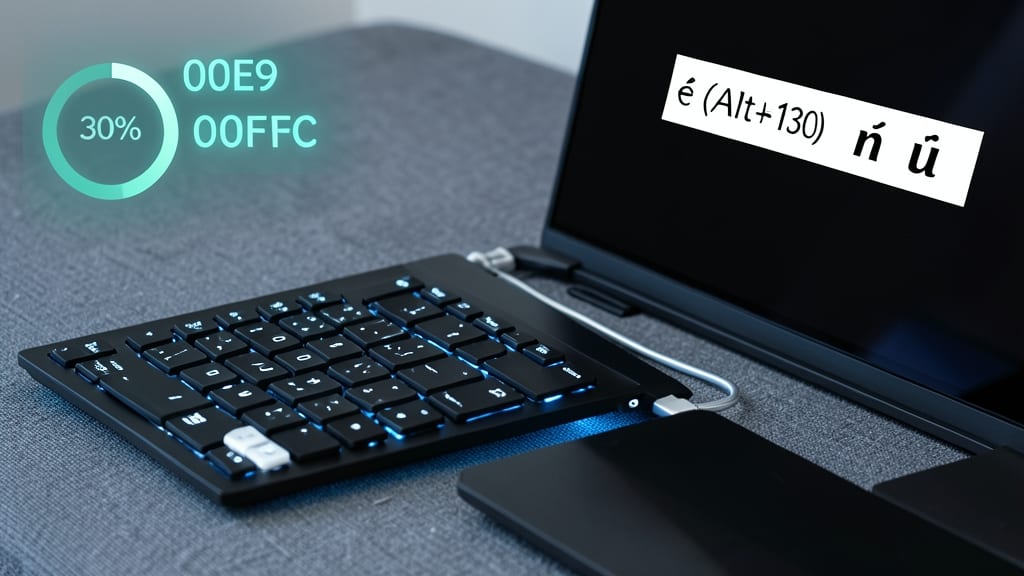
Ever submitted a manuscript or report only to have your editor reject it for using straight quotes? The angled quotation marks (“ ” ‘ ’) are the gold standard for professional writing, demanded by style guides like Chicago, AP, and MLA for their typographic precision.
Unlike basic quotes (" '), these symbols—curved at 45 degrees—add elegance and readability. Type them directly on most keyboards by holding Alt+0147 (“) or Alt+0148 (”) on Windows, or use Option+Shift+[ (Mac). Many word processors (like Word) offer auto-correction to swap straight quotes for angled ones with a single setting.
This detail matters most for academics, publishers, and legal professionals where formatting adheres to strict standards. A quick Ctrl+F search for " in your document will reveal how often you’ve missed this subtle but critical upgrade. ✨
Alpha Symbol for Mathematical Equations

Tired of fumbling through character maps just to insert a Greek letter? The alpha symbol (α)—Unicode U+03B1—is a game-changer for anyone working with equations, whether you're drafting a physics paper or debugging a data model.
In LaTeX, simply type \alpha to render the lowercase or \Alpha for uppercase (Α). Microsoft Excel and Google Sheets recognize it as a custom function prefix (e.g., =ALPHA(1) for probability calculations), while Python’s sympy library uses it for symbolic math. For quick insertion, Windows users can use Alt+8491 (NumPad), while Mac users rely on Option+Shift+A in most apps.
This isn’t just for mathematicians—engineers use it in circuit diagrams, data scientists in statistical notation, and even coders in algorithm documentation. Mastering this shortcut saves hours of formatting headaches. ✨
Asterisk for Bulleted Lists and Footnotes
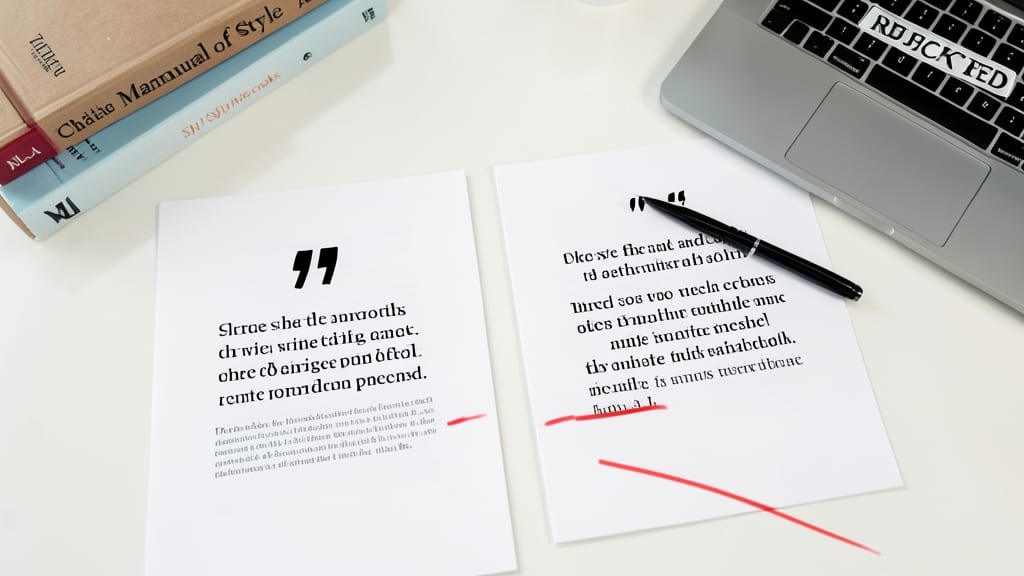
The asterisk () isn’t just for basic bullets—it’s a multitasking powerhouse in writing, coding, and documentation. Beyond simple lists, it marks footnotes in Microsoft Word (like ¹), highlights key terms in Markdown (important), and creates lightweight bulleted lists in plain text.
In Markdown, item renders as a bullet, while italic or bold styles text. Word’s footnote feature uses ¹ for citations, and many programming tools (like GitHub) treat as a wildcard in search patterns. The symbol’s versatility makes it a one-stop solution for writers, devs, and note-takers alike.
Perfect for technical writers, developers, and students who juggle documentation, code, and research—all while keeping formatting clean and consistent. ✨
At Sign for Email and Programming

Tired of typing full email addresses or usernames repeatedly? The at sign (@) is the ultimate shortcut for addressing groups or referencing handles in code. Whether you're drafting an email to a team or referencing a GitHub account, this symbol cuts down on keystrokes while keeping your workflow seamless.
On most keyboards, it’s simply Shift + 2, but in programming, it’s a powerhouse for package imports (e.g., @reactjs) or decorators in Python. For email, it’s the backbone of every address—no need to type "at" when one symbol does the job. Plus, in Markdown, it’s used for linking to usernames or mentions, like @username in comments.
Developers, marketers, and casual users all benefit from mastering this symbol—it’s the bridge between digital communication and coding efficiency. ⚡
Angle Brackets for HTML and Coding
The < > symbols might look simple, but they’re the backbone of every website you visit. Without them, HTML wouldn’t exist—these angle brackets wrap every tag, from <html> to `
In HTML5, they’re used for everything from semantic tags like `
Approximate Symbol for Data and Statistics
Ever struggled to convey that a number is close enough without rounding it? The ≈ (approximate symbol) is the unsung hero of data reports, spreadsheets, and scientific papers—clearly signaling that a value is an estimate, not an exact figure.
On Windows, type it by pressing Alt + 8776 on the NumPad, while Mac users can use Option + =. In LaTeX, \approx renders the symbol perfectly for equations. For analysts, this tiny symbol prevents misinterpretation of rounded figures in Excel, R, or Python outputs, ensuring clarity in financial models or research findings.
Perfect for data scientists, financial analysts, and researchers who need to distinguish between exact and estimated values without ambiguity. ⚡
Ampersand for Legal and Branding Text
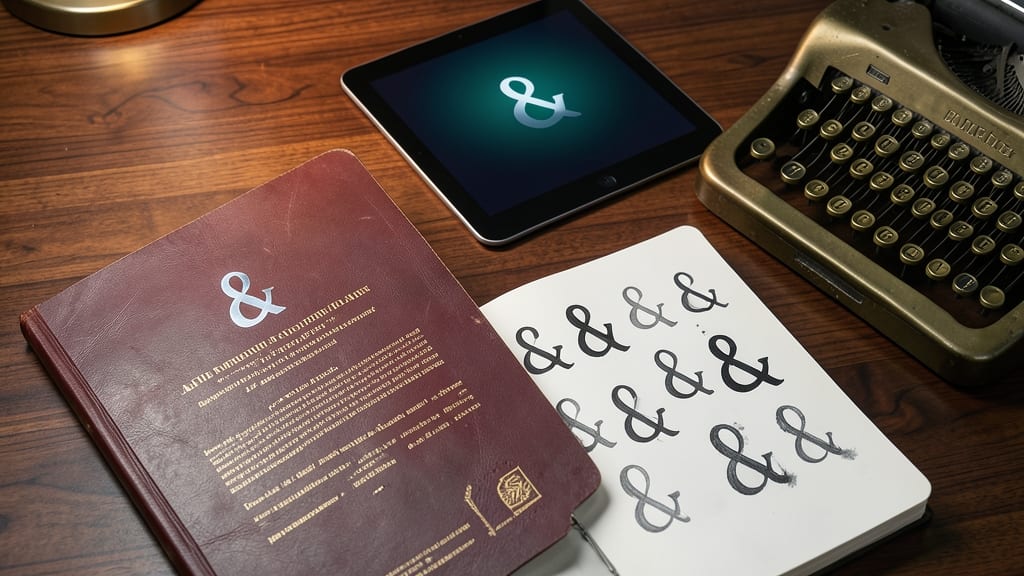
Want to elevate your legal contracts, brand logos, or creative designs with a touch of sophistication? The ampersand (&) isn’t just a symbol—it’s a stylistic cornerstone for lawyers, marketers, and designers who demand typographic precision.
This versatile symbol appears in legal disclaimers (e.g., "John & Jane Partners"), brand names (e.g., "FedEx," "Johnson & Johnson"), and custom typography projects where a handcrafted look matters. On most keyboards, it’s a Shift+7 shortcut, but Unicode offers 12+ variations (like & or ©) for specialized use. In design tools like Adobe Illustrator, it’s a go-to for custom fonts and logos, while lawyers rely on it for formal document formatting to meet industry standards.
Ideal for freelance designers, corporate branding teams, and legal professionals, the ampersand bridges functionality and flair—whether you’re drafting a contract or crafting a logo. ✨
Alt Text Shortcut for Accessibility
If you’ve ever wondered how screen readers describe images to visually impaired users, the Alt Text Shortcut (Alt+) is your secret weapon. This simple combo unlocks the alt attribute in HTML, where descriptive text replaces images when they fail to load—or when assistive tech like screen readers narrate your content.
Pressing Alt+ while hovering over an image in most browsers reveals its alt text. For developers, this shortcut enforces WCAG 2.1 compliance by ensuring every image has a meaningful description. It’s also a quick way to audit your site’s accessibility before publishing. Tools like WAVE or Axe automate checks, but knowing this shortcut lets you fix issues on the fly.
Ideal for web developers, content creators, and UX designers, this shortcut bridges the gap between visual design and inclusivity. Master it, and you’ll build websites that work for everyone—no extra plugins needed. 💻