
Software
Navigating Microsoft SQL Server Management Studio (SSMS) versions can be confusing with frequent updates. This guide compares 10 major releases, highlighting key features, compatibility changes, and performance improvements to help you choose the right version for your database needs.
SQL Server Management Studio 18.12
Need a battle-tested SSMS version that fully supports SQL Server 2019 while keeping your workflows smooth? SSMS 18.12 is the latest stable release, packed with refinements that make modern database management effortless. This version isn’t just about compatibility—it introduces enhanced Azure integration right in the toolbar, letting you manage on-premises and cloud databases from a single interface without jumping between tools.
The real game-changer here is the overhauled IntelliSense engine, now smarter than ever with deeper T-SQL support, faster autocompletion, and context-aware suggestions that adapt to your coding style. For teams working with Azure SQL Database or SQL Server 2019, you’ll also appreciate the improved query execution plan visualization and streamlined connection dialog that cuts setup time in half. Plus, it’s the first SSMS version to include native support for SQL Server 2019’s advanced analytics features, like machine learning integration.
This version is ideal for developers, DBAs, and data engineers who need a reliable, feature-rich tool without the instability of beta releases. Whether you're tuning queries, deploying databases, or managing hybrid cloud environments, SSMS 18.12 delivers the polish and performance you’ve been waiting for. ⚡
SQL Server Management Studio 18.9

If you're managing SQL Server 2019 big data clusters or need deeper query performance insights, SSMS 18.9 is the version that unlocks critical capabilities. This update introduced native support for SQL Server 2019's big data clusters, allowing you to manage distributed workloads across scale-out configurations with a single interface.
The Query Store received significant enhancements, including automatic query classification and performance regression detection, helping data warehouse administrators pinpoint bottlenecks without manual analysis. For teams leveraging big data clusters, this version also added support for polybase queries, enabling seamless integration between relational and external data sources like Azure Blob Storage.
This version is a must-have for data warehouse architects and BI professionals working with large-scale analytics workloads. It bridges the gap between traditional SQL Server management and modern big data processing. 💡
SQL Server Management Studio 18.7
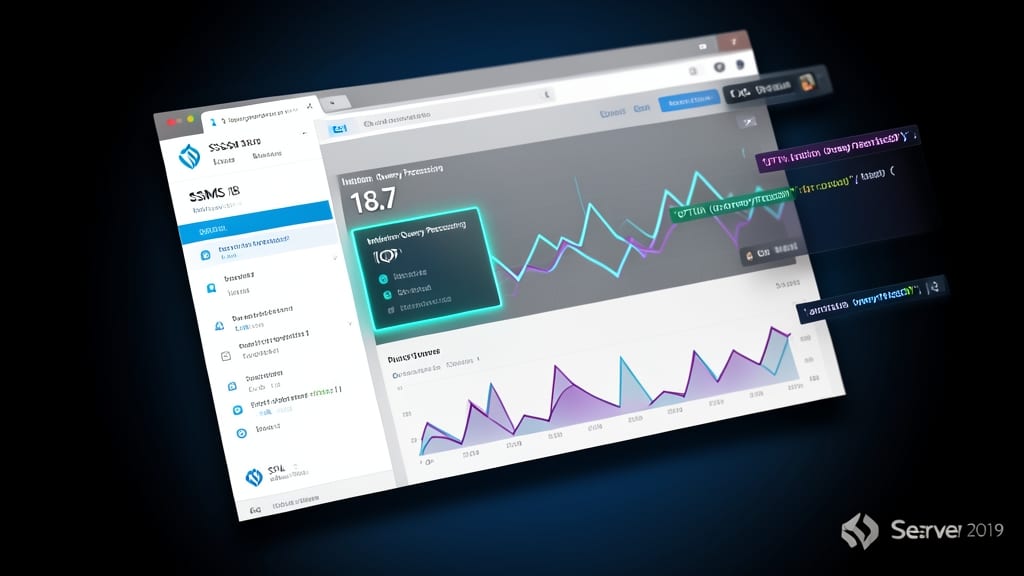
If you're running SQL Server 2019 and struggling with query performance, SSMS 18.7 is your game-changer. This version was the first to unlock Intelligent Query Processing (IQP), a suite of automatic optimizations that adapt queries in real-time based on data distribution and workload patterns.
With IQP, you gain access to features like batch mode on rowstore, memory grant improvements, and auto-update statistics—all designed to eliminate manual tuning for common bottlenecks. The Query Store integration also received upgrades, letting you track IQP's impact on execution plans before and after optimization. For teams migrating to SQL Server 2019, this version bridges the gap between legacy tuning practices and modern automation.
Database administrators and performance engineers will find SSMS 18.7 indispensable for reducing query latency without rewriting code. It’s the ideal choice for environments where automated optimization outweighs custom tuning. ✨
SQL Server Management Studio 18.4

If your team runs SQL Server 2017 on Linux but needs Windows-based management tools, SSMS 18.4 bridges that gap seamlessly. This was the first version to officially support Linux-hosted SQL Server instances, eliminating the need for workaround solutions like PowerShell or third-party tools.
The update introduced native Linux connection support in the connection dialog, along with improved query execution plan visualization for cross-platform environments. You’ll also find enhanced scripting tools for generating T-SQL compatible with both Windows and Linux SQL Server deployments. The 64-bit installer ensures stability on modern systems.
This version is a game-changer for DevOps teams managing hybrid SQL Server environments or database administrators supporting Linux-based deployments. It’s the only SSMS version that truly closes the management gap for SQL Server 2017 on Linux. ⚡
SQL Server Management Studio 17.9
If you're managing SQL Server 2017 in a high-security environment, SSMS 17.9 is the last version you’ll need before transitioning to the 18.x series. This release bridges the gap between legacy and modern security protocols, making it a critical stop for compliance-heavy deployments.
Key highlights include enhanced Always Encrypted support, letting you encrypt sensitive columns at rest and in transit with minimal performance overhead. The SQL Server 2017 compatibility is fully baked in, ensuring no surprises when managing databases, backups, or queries. For teams handling HIPAA, GDPR, or PCI DSS data, the granular encryption controls here are a game-changer.
This version is ideal for enterprise admins and compliance officers still tied to SQL Server 2017 but needing modern security features. ⚡
SQL Server Management Studio 17.4
If your organization is balancing on-premises SQL Server with Azure migration plans, SSMS 17.4 was your bridge to seamless hybrid cloud management. Released in 2017, this version introduced Stretch Database, a game-changer for offloading cold data to Azure while keeping hot data on-site—all from a single interface.
The Stretch Database feature allowed you to transparently move historical data to Azure SQL Database, reducing on-prem storage costs while maintaining query performance. It also included enhanced Azure integration tools, letting you monitor hybrid workloads in real-time. For enterprises with SQL Server 2016 SP1 or later, this version simplified cloud migration without requiring complex third-party tools.
Ideal for IT admins and DBAs managing hybrid environments, SSMS 17.4 remains a cornerstone for organizations easing into Azure while preserving legacy infrastructure. ✨
SQL Server Management Studio 17.2
If tracking data changes over time is critical for your workflow, SQL Server Management Studio 17.2 was the game-changer you needed. This release introduced native support for SQL Server 2016's temporal tables, a feature that lets you automatically track historical data changes without manual intervention.
With system-versioned temporal tables, you gain built-in auditing capabilities, point-in-time recovery, and time-based analysis—all managed through intuitive UI elements like the Temporal Table Configuration Wizard. The integration with SQL Server 2016's native temporal database features made it possible to query both current and historical data seamlessly, reducing the need for custom triggers or shadow tables.
This version is a must-have for compliance teams, auditors, and data analysts who need to maintain immutable records of database changes while keeping queries performant. 💡
SQL Server Management Studio 16.5
If your applications need to handle JSON data alongside traditional SQL, SSMS 16.5 was the game-changer for SQL Server 2016. This version introduced native JSON query support, letting you parse, validate, and manipulate JSON documents directly in T-SQL without workarounds.
The update also refined query performance tools with enhanced execution plans and live query statistics, helping developers optimize complex queries involving JSON data. For teams transitioning from relational-only databases, this version bridged the gap between SQL and NoSQL-like flexibility—critical for modern APIs and microservices.
Developers working with hybrid data models (SQL + JSON) or building RESTful APIs will find this version particularly valuable. It’s the perfect bridge for teams adopting SQL Server 2016 while preparing for future NoSQL integration. ✨
SQL Server Management Studio 16.0
If you're still using SSMS 2014 for SQL Server 2016, you're missing out on the standalone SSMS 16.0—Microsoft's first dedicated version designed specifically for SQL Server 2016's new features. This release marked a clean break from the bundled SSMS 2014 approach, offering a more streamlined experience.
SSMS 16.0 introduced native JSON support (beyond basic string handling), enhanced Always Encrypted integration, and improved query store visualization—all while maintaining backward compatibility with SQL Server 2012-2014. The 64-bit-only architecture eliminated 32-bit limitations, and the redesigned connection dialog made server management more intuitive for teams migrating to SQL Server 2016.
Perfect for developers and DBAs transitioning from older versions, SSMS 16.0 bridged the gap between legacy workflows and modern SQL Server 2016 capabilities. ⚡
SQL Server Management Studio 2014
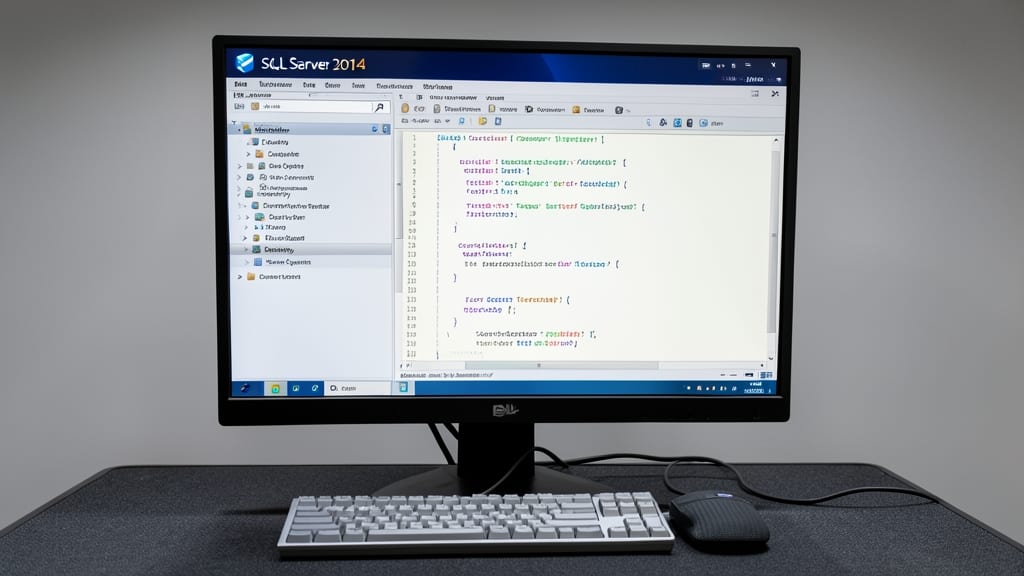
If you're maintaining a SQL Server 2014 environment, SSMS 2014 remains the gold standard for backward compatibility. This legacy version is specifically designed for enterprises still running SQL Server 2014, offering a classic interface that hasn’t evolved with newer releases.
The 13.0.x build includes all the essential tools from its era: query editor, database diagram designer, and scripting wizards—all optimized for the 2014 database engine. While it lacks modern features like IntelliSense enhancements or Azure integration, its stability makes it indispensable for environments where upgrades aren’t an option.
Perfect for legacy system administrators and enterprise IT teams managing SQL Server 2014 deployments, this version ensures seamless compatibility without requiring costly migrations. 💻